Kling 4.0 vs Seedance 2.5: Same Prompts, Real Side-by-Side Results
Kling 4.0 vs Seedance 2.5 on the same three prompts at 720p: dialogue lip sync, fast parkour action and image to video. Real outputs, specs and which to pick.

Kling 4.0 and Seedance 2.5 are the two models people keep putting side by side right now. Both make up to 30 seconds in one take, both generate sound with the picture, and both take a first frame or a stack of references. Most comparisons stop at the spec sheet. We run both on Veevid, so we gave them the same three prompts and are showing you exactly what came back.
The short answer, based on our tests: pick Kling 4.0 when the shot is about energy, meaning fast action, big camera moves and a prompt you want followed beat by beat. It's also the cheaper of the two per second at the same resolution. Pick Seedance 2.5 when the shot is about control: cleaner, steadier images, a performance that stays close to your first frame, up to 50 references, and editing or extending the clip afterwards.
Specs Side by Side
This is what each model does on Veevid today.
| Kling 4.0 | Seedance 2.5 | |
|---|---|---|
| Developer | Kuaishou (Kling AI) | ByteDance |
| Length per generation | 3 to 30 seconds | 4 to 30 seconds, or let the model choose |
| Resolution | 720p, 1080p | 480p, 720p, 1080p (10-bit at 1080p) |
| Text to video aspect ratios | 16:9, 9:16, 1:1, 21:9 | 16:9, 9:16, 1:1, 4:3, 3:4, 21:9 |
| Native audio | Always on, with lip sync | On by default, can be turned off, with lip sync |
| First and last frame | Yes | Yes |
| References | Up to 15: 10 images, 5 videos (30s total), 3 voices | Up to 50: 30 images, 10 videos (30s total), 10 audio |
| Edit or extend an existing clip | Not yet | Yes, both |
| Output format | MP4 | MP4 or MOV |
| Cheap preview | No | 480p Draft, upgrade to 1080p when the result offers it |
| Cost per second | Lower | Higher at the same resolution |
On paper Seedance 2.5 has the bigger toolbox. Kling 4.0's argument is the footage itself, so let's look at that.
How We Tested
- Same prompt, word for word, sent to both models
- 5 seconds, 720p, 16:9, audio on
- First attempt from each model, no rerolls and no editing afterwards
- Videos below autoplay muted. Unmute them to hear the audio
That's one run per model per test, so read the results as tendencies rather than guarantees.
Test 1: Dialogue and Lip Sync
Prompt: Medium close-up of a barista in her thirties with curly auburn hair, standing behind a cafe counter. She looks up at the camera, smiles warmly and says: "Your usual oat latte? I already started it." Soft morning window light, shallow depth of field, the espresso machine hisses quietly in the background.
Kling 4.0

Seedance 2.5

What we saw:
- Both got the line right. Each clip speaks the exact sentence from the prompt, word for word, and the mouth movement matches the words.
- Kling 4.0 acted out the whole prompt. The barista starts looking down, looks up, smiles and starts talking at about 1.1 seconds. She tilts her head and moves a lot while she talks, and the voice sits loud in the mix.
- Seedance 2.5 played it calmer. She's already facing the camera, so the "looks up" beat is skipped. The head stays steady, the backlit window light looks more cinematic, and the line starts later, at about 1.9 seconds, finishing right before the clip ends.
Takeaway: a tie on lip sync. Here Kling 4.0 gave the livelier performance and Seedance 2.5 the steadier, more polished one. For a short dialogue clip like this one in Seedance 2.5, consider leaving the line some headroom: here it used almost all of the 5 seconds.
Test 2: Fast Action and Camera Movement
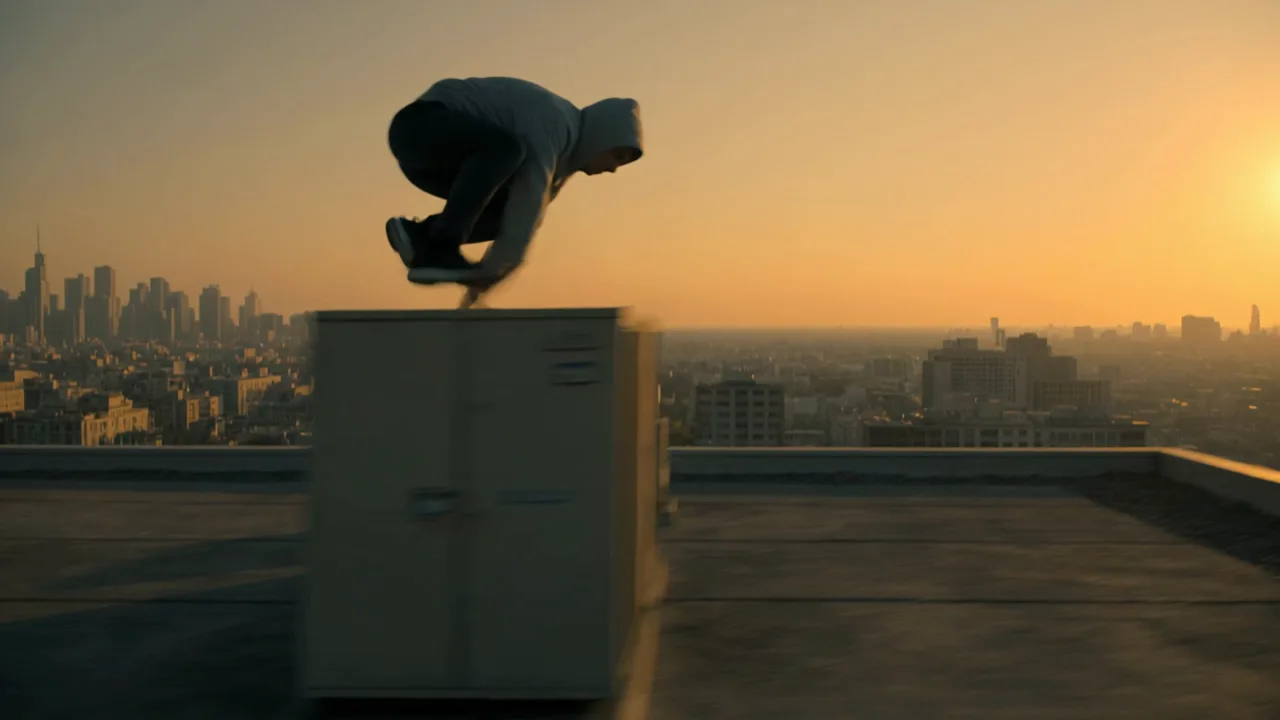
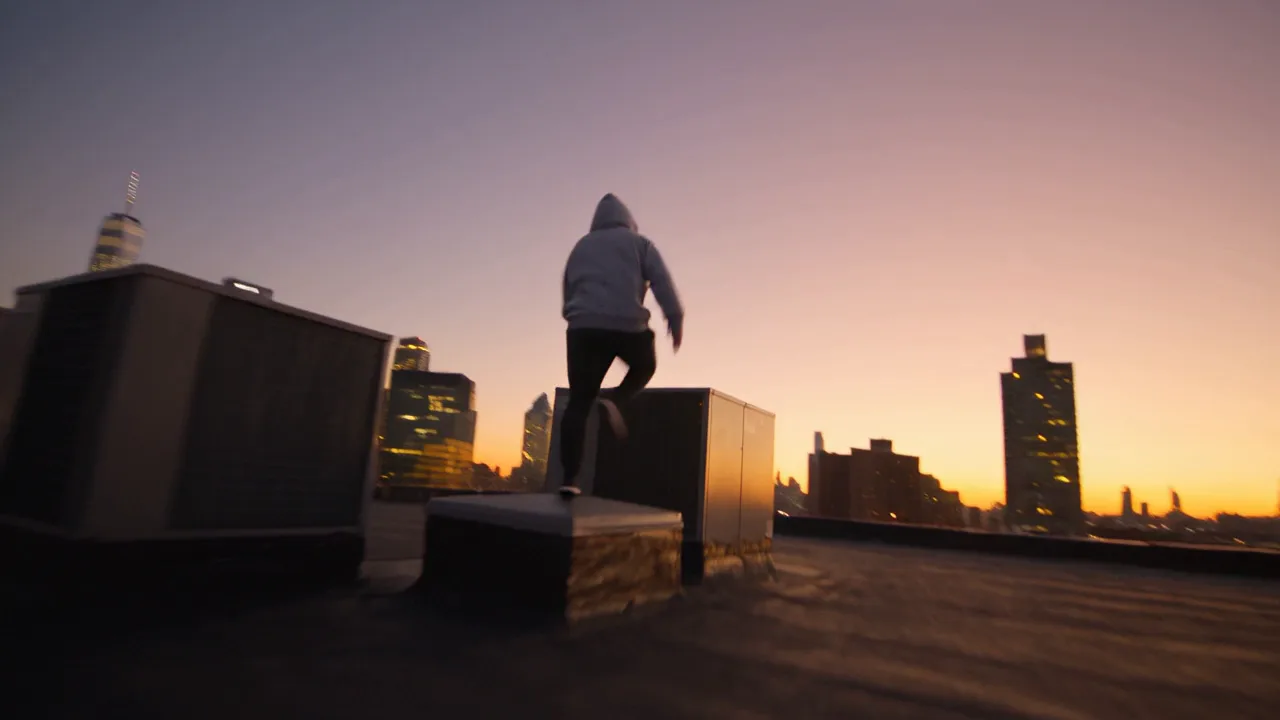
Prompt: A parkour runner in a grey hoodie sprints across a city rooftop at sunset, vaults over an air-conditioning unit and leaps across the gap to the next building, landing in a forward roll. The camera tracks alongside him, then whips around to follow the landing. Fast, handheld energy, motion blur, city skyline behind. Sound of footsteps, wind and distant traffic.
Kling 4.0
Seedance 2.5
What we saw:
- Kling 4.0 hit every beat in the prompt. Sprint, vault over the unit, run to the edge, a real jump across the gap between two buildings, and a roll on the next rooftop. The camera tracks from the side as asked, then swings around for the landing. The cost is heavy motion blur on the runner at the fastest moments.
- Seedance 2.5 looked better but did less. The image is sharper and the dusk lighting with city lights is the prettier frame. But the camera follows from behind rather than alongside, and the runner jumps off the air-conditioning unit and rolls on the same roof. The jump across the gap never happens.
Takeaway: Kling 4.0 wins this one. The prompt listed several actions in a row and it delivered all of them, while Seedance 2.5 gave us the cleaner picture but simplified the choreography.
Test 3: Image to Video From the Same First Frame
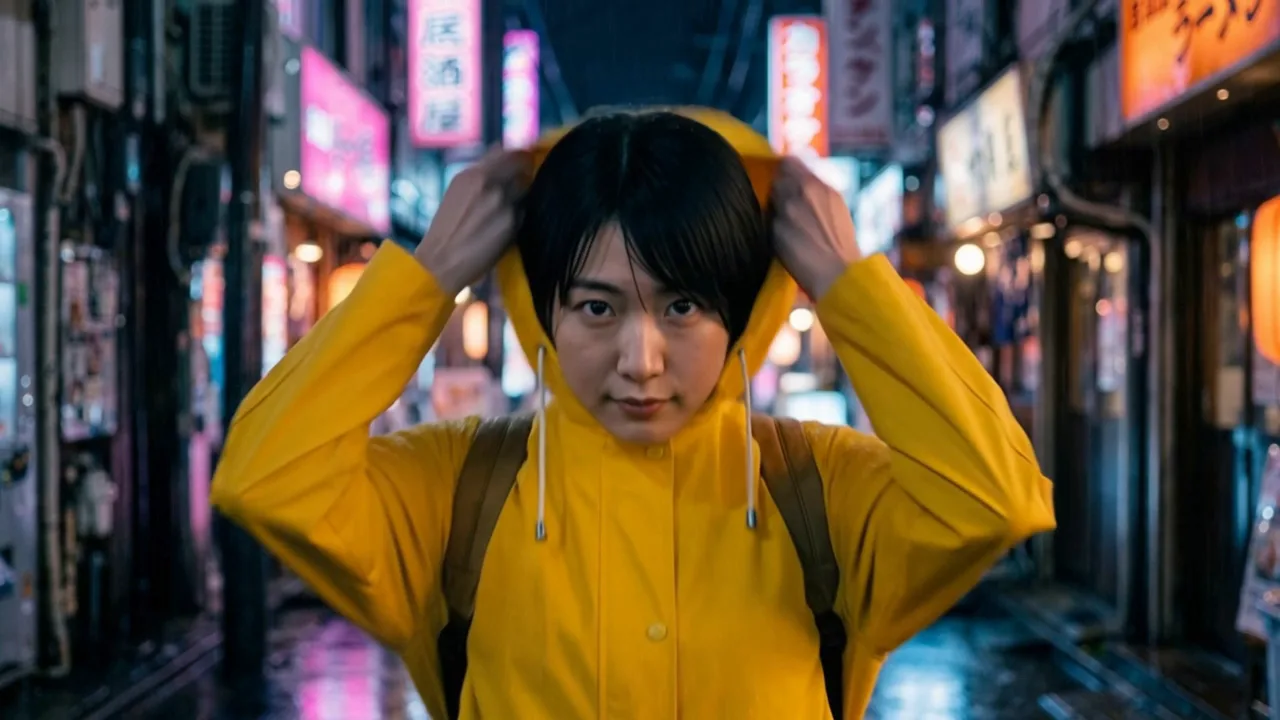
For the last test we gave both models the same still as the first frame and asked for a turn, a walk and a push in to a close-up. It's a quick way to see whether the face holds up when the camera gets close.

Prompt: She glances over her shoulder at something behind her, then turns back and walks toward the camera, pulling her hood down. The camera slowly pushes in to a close-up of her face. Rain keeps falling, neon reflections ripple on the wet pavement, soft rain and street ambience.
Kling 4.0
Seedance 2.5

What we saw:
- Both held the character. Face, black bob, yellow raincoat, backpack straps and the neon street all match the first frame from start to finish, including in the final close-up.
- Kling 4.0 went bigger. She pulls the hood down with both hands and the camera pushes in all the way to a tight close-up, as the prompt asked. Her expression turns neutral, a little more serious than in the still.
- Seedance 2.5 stayed closer to the still. She pulls the hood down with one hand and keeps the faint smile from the first frame. The push in stops at a medium close-up rather than a tight one.
Takeaway: close to a draw. Both held the character well when animating from one image. In this run Kling 4.0 followed the camera direction more literally, while Seedance 2.5 changed less of what was already in the image.
Which One Should You Use?
Across our three tests the same pattern showed up: Kling 4.0 followed the prompt more literally and moved more. Seedance 2.5 rendered a cleaner, calmer image and once simplified what we asked for. Use that as a starting point, then run your own prompt through both.
Based on those results, choose Kling 4.0 when:
- The shot is action: sports, chases, dance, stunts
- You're describing several beats in a row, as in our parkour test
- You want strong camera moves like tracking shots, whip pans and big push ins
- You make a lot of clips and cost per second at 720p or 1080p matters
Choose Seedance 2.5 when:
- Image quality and lighting matter more than choreography
- You want the performance to stay close to your first frame
- You need more than 15 references, or audio clips to drive the timing
- You want to edit or extend a clip after it's made
- You want to iterate on lower-cost 480p drafts, then upgrade a take to 1080p when the result offers it
The two models also work well together. Make the fast, complicated shots in Kling 4.0 and the quieter, polished ones in Seedance 2.5, then cut them together.
Try Both on Veevid
Both models run in the same generators, so you can compare on your own prompt by switching the model and keeping everything else the same:
- Text to Video to write a shot and render it in either model
- Image to Video to animate a still from a first frame, with an optional last frame
- Reference to Video to lock a face, product or voice with references, in both Kling 4.0 and Seedance 2.5
For everything each model can do, see the Kling 4.0 page and the Seedance 2.5 page. For step-by-step instructions and prompt tips, read our Kling 4.0 guide.
FAQ
Is Kling 4.0 better than Seedance 2.5?
Neither wins outright. In our tests Kling 4.0 was better at fast action and at following multi-step prompts, while Seedance 2.5 produced cleaner, steadier images and stayed closer to its first frame. Lip sync and character consistency were close to even.
Which is better for dialogue and lip sync?
Both spoke our line word for word with matching mouth movement. In that clip Kling 4.0 gave a more animated performance and Seedance 2.5 kept the head steadier. Seedance 2.5 also started the line later, so for a short dialogue clip like ours it can help to add a second or two.
Which handles fast motion better?
Kling 4.0 did in our test. In the parkour prompt it delivered every action in the prompt, including the jump between two buildings, with the camera move we asked for. Seedance 2.5 had the sharper image but skipped the jump.
How long can videos be in each model?
Kling 4.0 does 3 to 30 seconds and Seedance 2.5 does 4 to 30 seconds, both as one continuous take. Seedance 2.5 can also pick the length for you.
Do both support first and last frames?
Yes. Both accept a first frame, and both can take a last frame so the video lands on a specific image. Output follows the shape of your first frame.
Which one takes more references?
Seedance 2.5, by a wide margin: up to 30 images, 10 videos and 10 audio clips, 50 in total. Kling 4.0 takes up to 10 images, 5 videos and 3 voices, 15 in total. Both work in Reference to Video.
Do they support 4K?
Not on Veevid yet. Kling 4.0 renders at 720p or 1080p, and Seedance 2.5 at 480p, 720p or 1080p. 4K is listed as coming for both models.
Which is cheaper?
Kling 4.0 costs less per second than Seedance 2.5 at the same resolution. Seedance 2.5 has a lower-cost way to explore, though: 480p Draft clips that you can upgrade to 1080p later if the result shows the upgrade button. The exact cost of any setup shows on the Generate button before you render.
Related reading:
- Kling 4.0 Guide: How to Use It, Write Prompts and Make 30s Videos
- Seedance 2.5 vs Seedance 2.0: What Actually Changed
- Seedance 2.5 Image to Video with GPT Image 2.5: Workflow and Prompts
- Kling 3.0 Complete Guide: Multi-Shot AI Video with Native Audio
- Best AI Video Generators 2026: Kling 3.0 vs Sora 2 vs Veo vs LTX